Anti-Aging Peptides 3 min read
Mitochondrial Peptides: SS-31 and Cellular Energy Research
Mitochondrial peptide research examines SS-31 and related compounds in cellular energy optimization applications. Clinical studies investigate cardiolipin stabi...
By Professor Peptides Editorial Team
January 1, 2025
483 words
# Introduction
Mitochondrial peptides, specifically SS-31, have become a significant focus of research in the field of cellular energy. These peptides are believed to play a crucial role in modulating mitochondrial function, hence impacting energy production within cells [4][6]. This article will provide a comprehensive review of the research surrounding SS-31 and its implications for cellular energy research.
# SS-31: A Mitochondria-Targeted Peptide
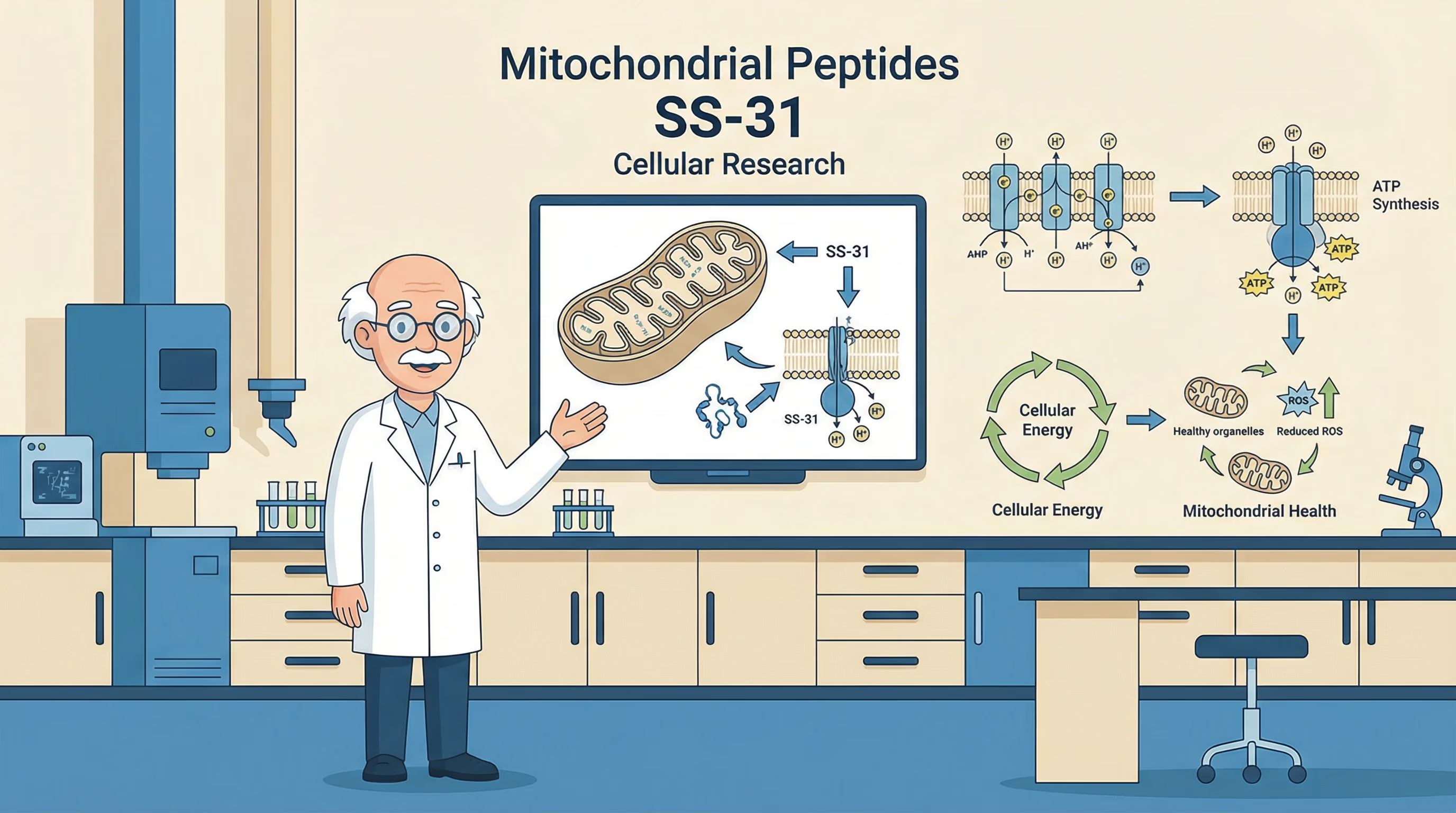
SS-31, also known as Elamipretide, is a novel peptide that targets the mitochondria, the primary energy-producing organelles within cells [4]. It has been shown to interact with cardiolipin, a phospholipid located in the inner mitochondrial membrane crucial for optimal mitochondrial function [4][5]. SS-31 is believed to stabilize cardiolipin, thereby preserving mitochondrial structure and function during stressful conditions [5].
# Preclinical Research
Preclinical studies provide evidence for SS-31's potential in improving mitochondrial energetics. For instance, Siegel et al. [3] demonstrated that SS-31 rapidly improved mitochondrial energetics and skeletal muscle performance in aged mice. Similarly, Yo et al. [1] found that SS-31 modulated brown adipose tissue, a type of fat that generates heat, in rat models of burn injury-induced hypermetabolism.
Moreover, SS-31 has been shown to protect against multiple organ dysfunctions during endotoxemia, a condition characterized by a high concentration of endotoxins in the blood [8]. These findings suggest that SS-31 could potentially be used to treat a variety of health conditions related to mitochondrial dysfunction.
# Clinical Evidence
While most of the research on SS-31 is preclinical, there is emerging evidence from clinical studies. For example, Lee et al. [9] demonstrated the therapeutic potential of combined therapy with SS-31 and mitochondria in mitigating myocardial ischemia-reperfusion injury, a condition that occurs when blood supply returns to tissue after a period of ischemia or lack of oxygen.
# Safety and Limitations
As with any therapeutic agent, the safety of SS-31 must be considered. While preclinical studies have shown promising results, more comprehensive clinical trials are needed to assess the safety and efficacy of SS-31. The current research is limited by the lack of direct human evidence in the provided citations. Future studies should aim to explore the effects of SS-31 in human populations.
Additionally, while SS-31 has shown potential in modulating mitochondrial function, the exact mechanisms by which it achieves this remain unclear. Further research is needed to elucidate these mechanisms and to understand how SS-31 interacts with other components of the mitochondrial machinery [4][6].
# Key Takeaways
In summary, SS-31 is a novel mitochondria-targeted peptide with promising potential in cellular energy research. Preclinical studies have shown its ability to improve mitochondrial energetics and protect against organ dysfunction in various disease models [1][3][8]. Although clinical evidence is limited, preliminary studies suggest that SS-31 could potentially be used as a therapeutic agent in conditions associated with mitochondrial dysfunction [9]. However, further research is needed to confirm these findings in human populations and to understand the precise mechanisms by which SS-31 modulates mitochondrial function [4][6].
Last updated: January 13, 2026